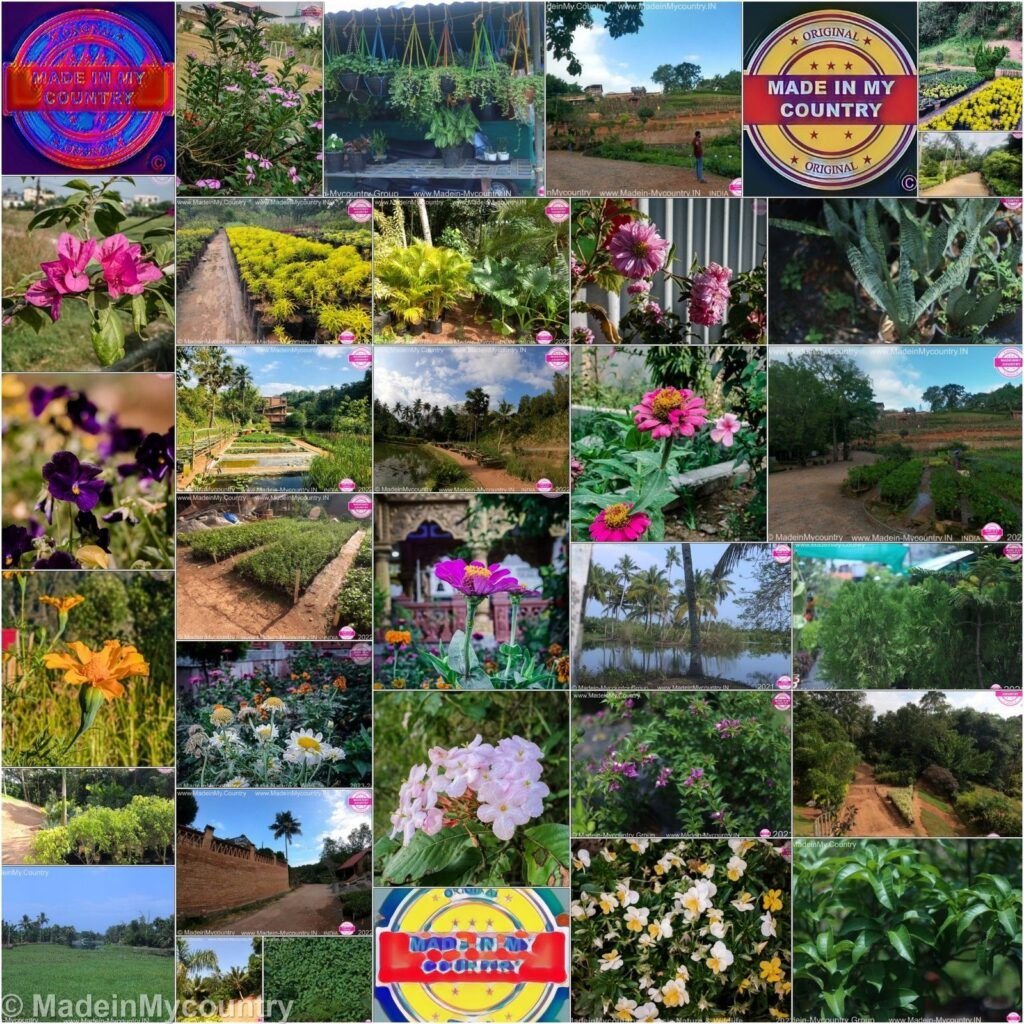
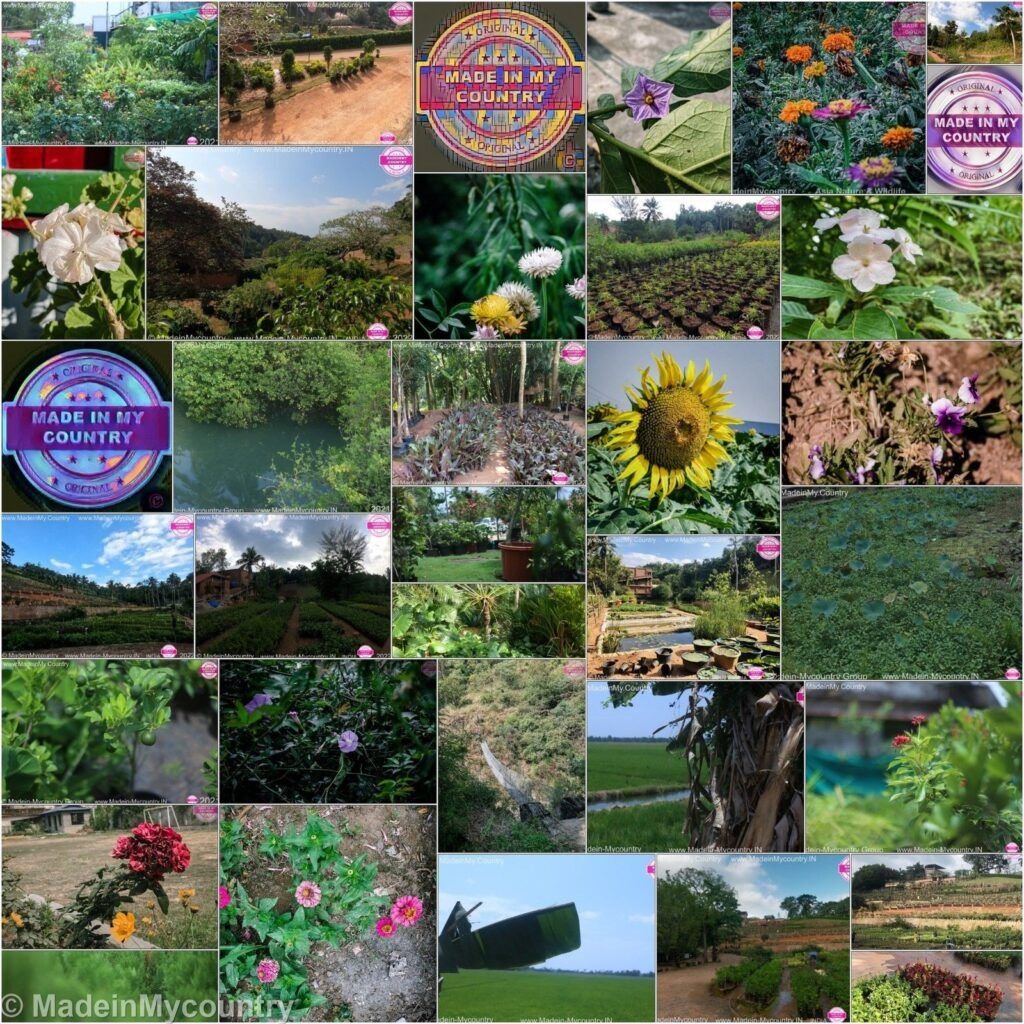
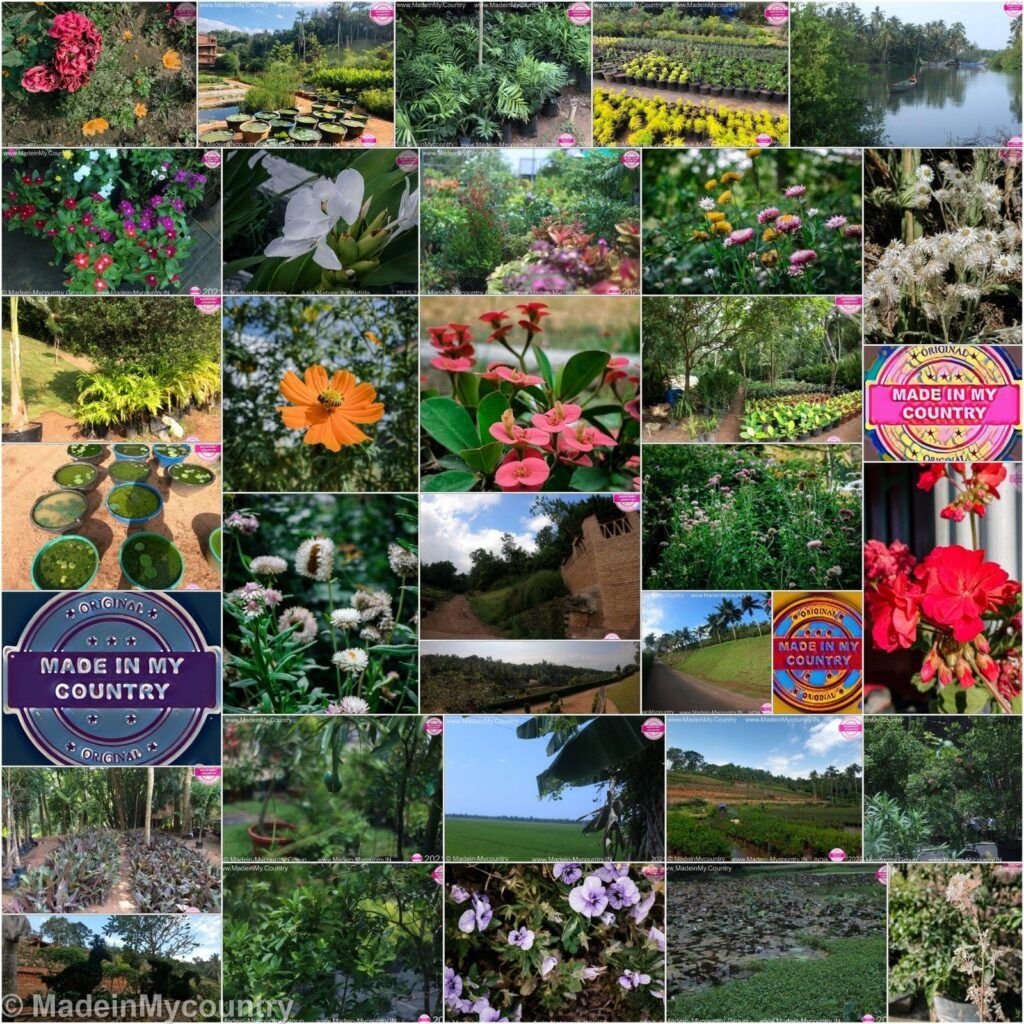
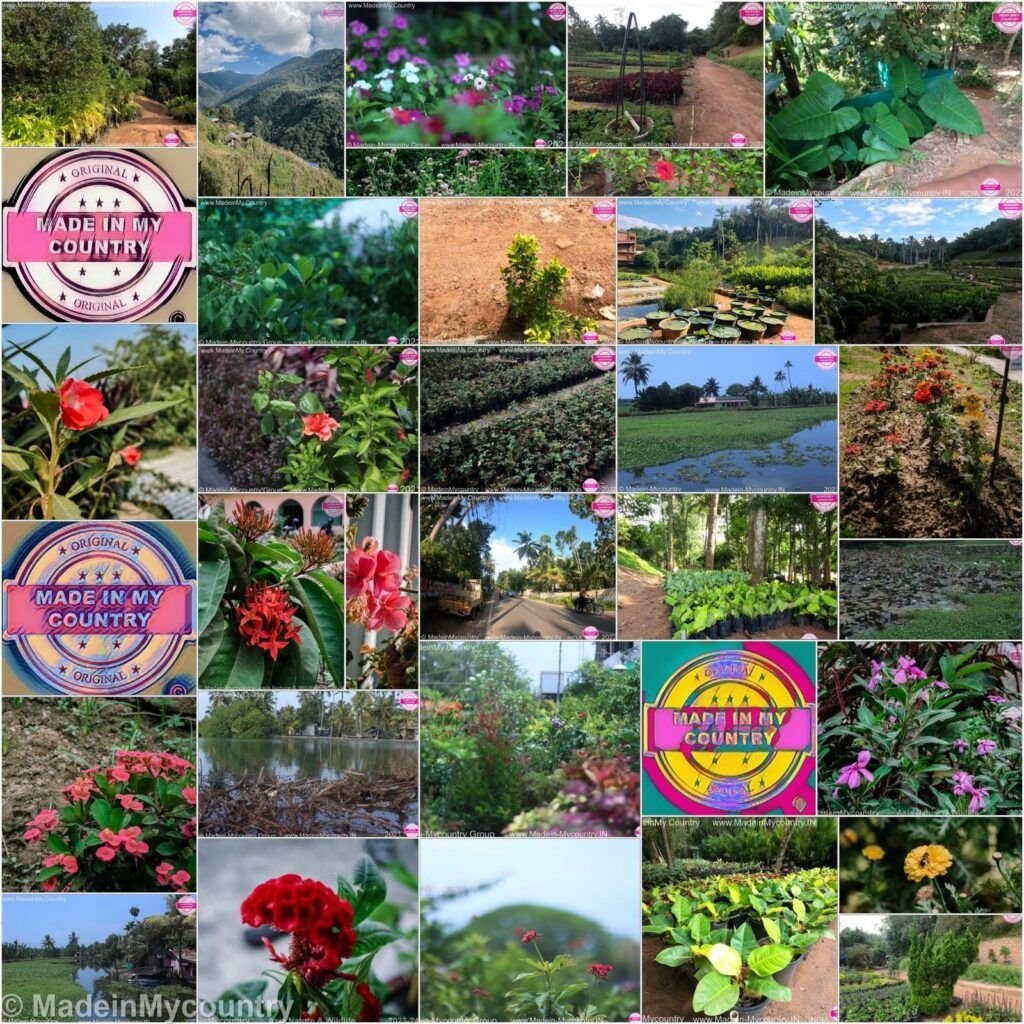
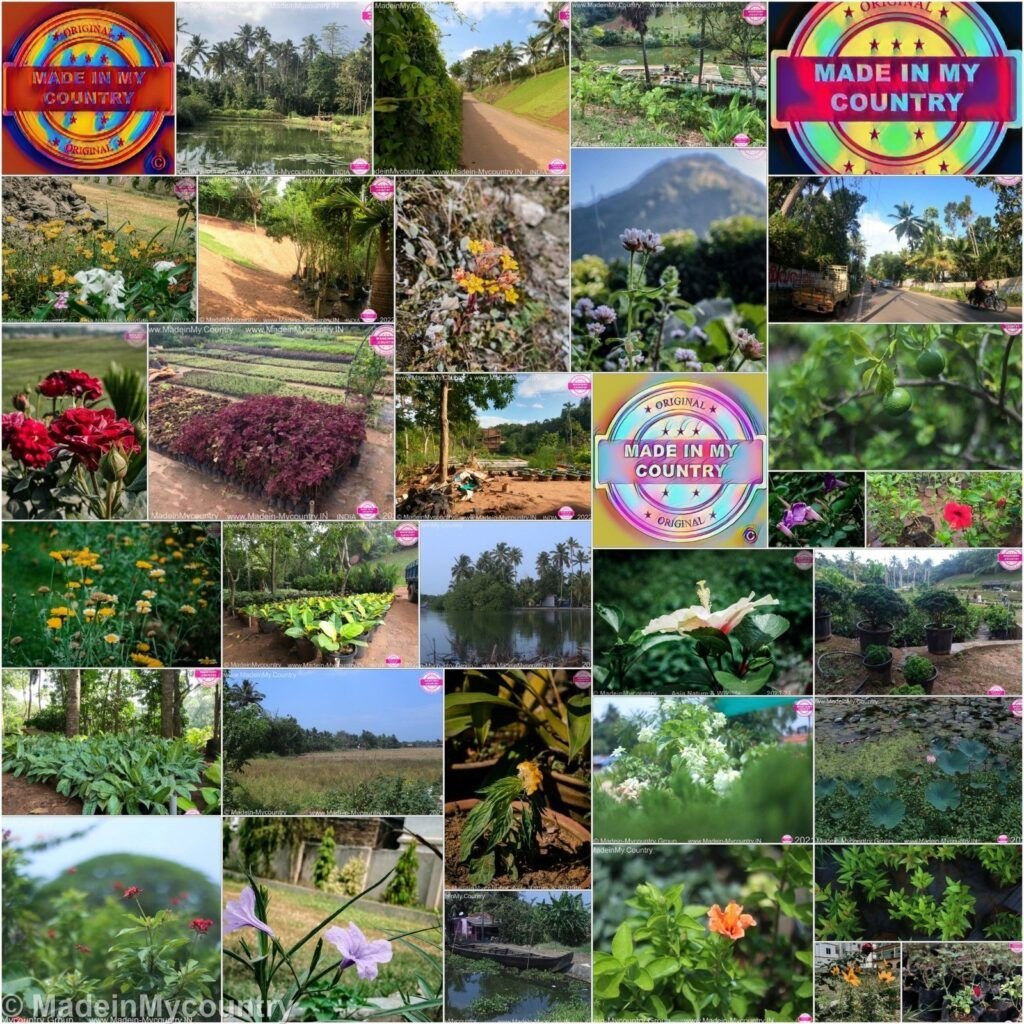
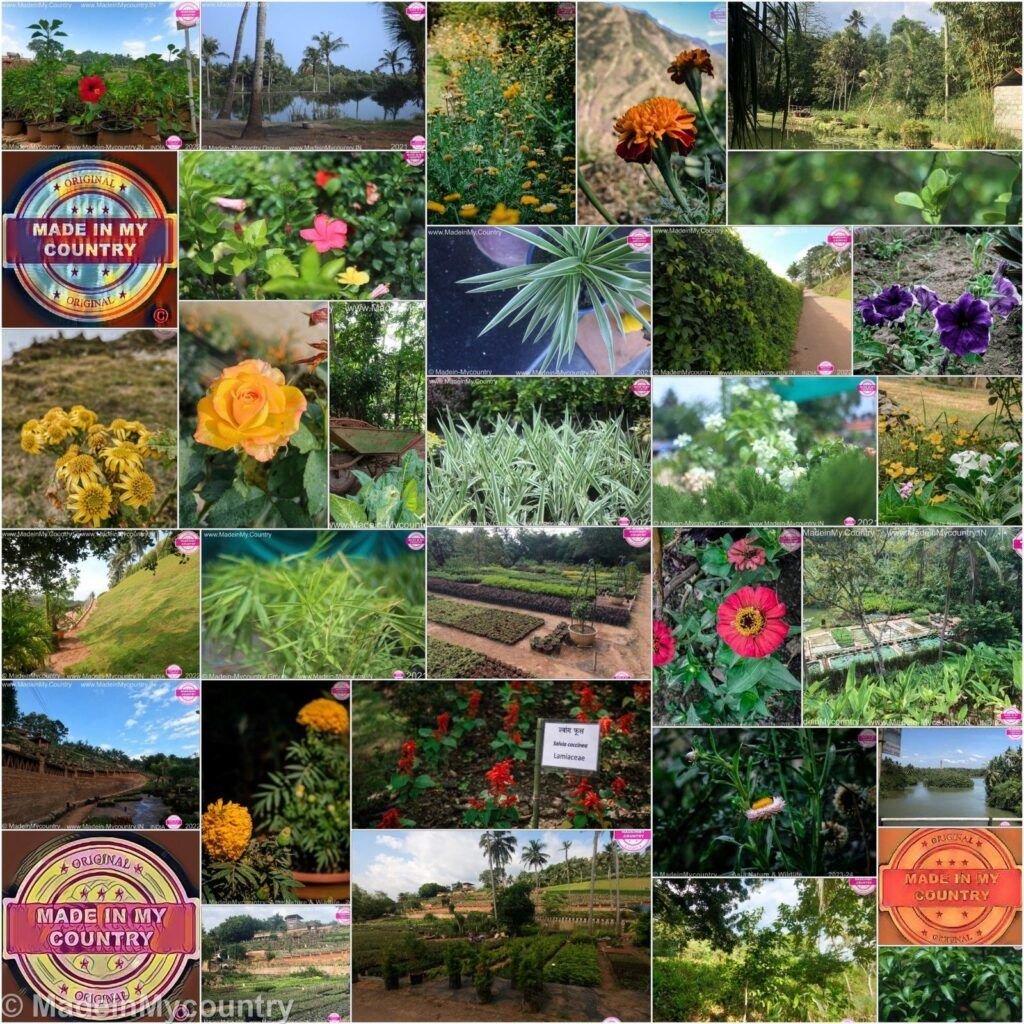
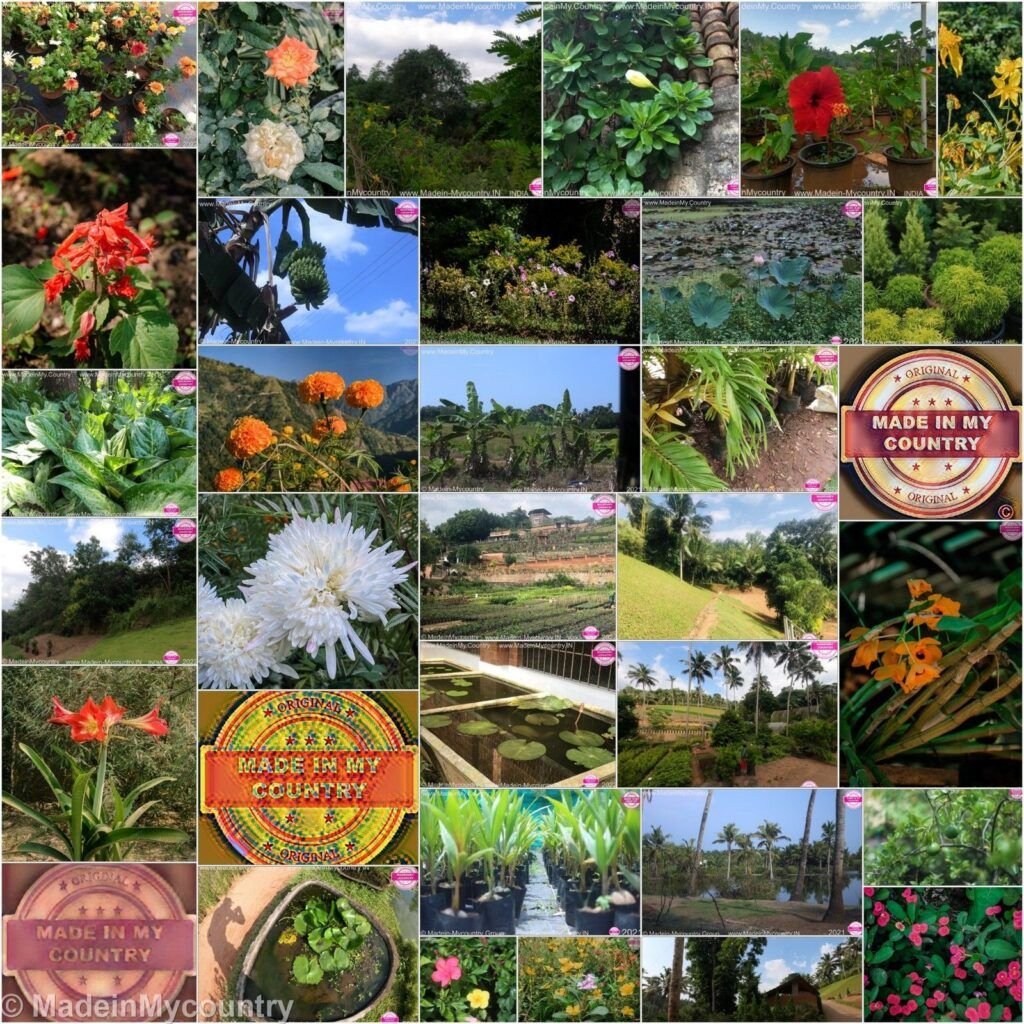
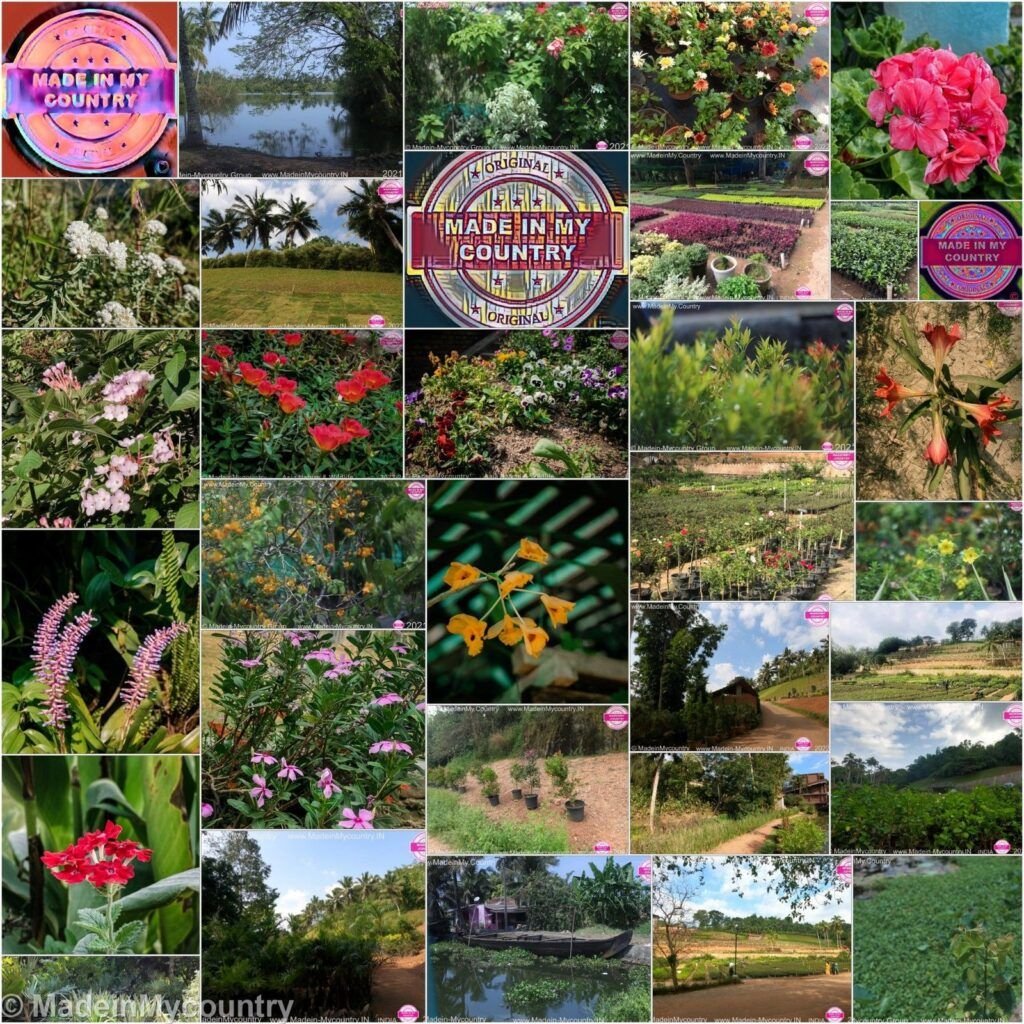
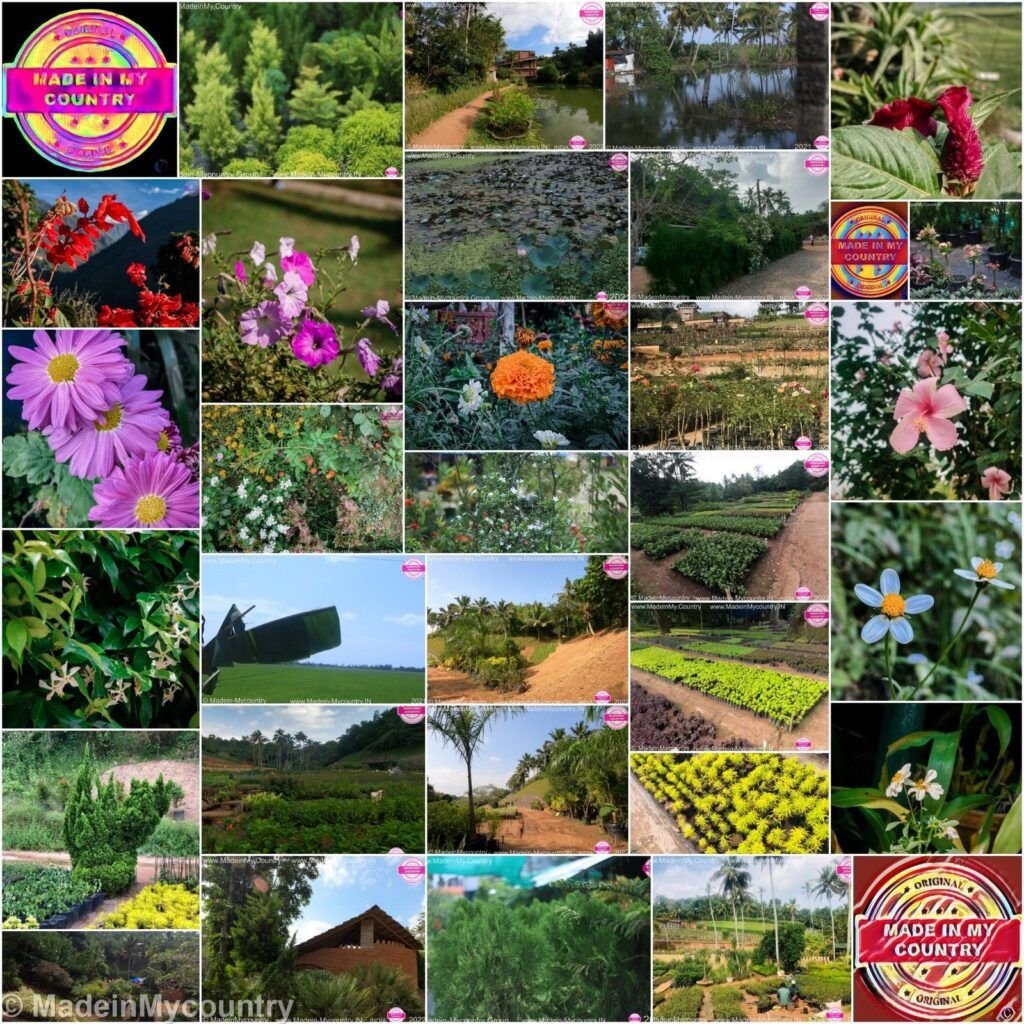
Asian flora presented by MadeinMycountry: MadeinMycountry is a global platform that celebrates and supports local history, culture, art, and nature conservation efforts.
The flora of Asia encompasses the diverse plant life across the world’s largest continent, categorized by major climate zones from tropical rainforests in Southeast Asia to the taiga and tundra of North Asia. It is a vital global center for plant biodiversity, ancient relict species, and major agricultural food crops
Asian flora presented by MadeinMycountry: MadeinMycountry is a global platform that celebrates and supports local history, culture, art, and nature conservation efforts. For two decades, we have been sponsoring local museums, cultural organizations, travel destinations, historical sites and various cultural events around the world.
Major Vegetation Regions:
Southeast Asia: Tropical rainforests with 35,000 to 40,000 plant species, dense canopies, and platforms like Plants of Southeast Asia documenting regional diversity. East Asia: Temperate mixed forests featuring 30,000 to 35,000 species, including the rich Sino-Japanese and Sino-Himalayan floras. South Asia: Tropical rainforests and dry forests with 25,000 to 30,000 species and extensive savannas. Central and West Asia: Arid deserts and steppes supporting around 20,000 to 25,000 drought-tolerant herbs and shrubs. North Asia: Boreal taiga and Arctic tundra containing roughly 5,000 species, predominantly hardy conifers
Asian flora presented by MadeinMycountry: MadeinMycountry is a global platform that celebrates and supports local history, culture, art, and nature conservation efforts.
Key Botanical Features and Uses:
Ancient Relicts: Home to living fossils such as the ginkgo and dawn redwood (Metasequoia). Food and Agriculture: Origin point for vital global staples including rice, wheat, soybean, and numerous fruits and vegetables. Traditional Medicine: Rich source of medicinal plants like ginseng and Ginkgo biloba. Ornamentals: Famous for flowering treasures such as cherry blossoms (sakura), azaleas, peonies, and diverse orchids
Asian flora presented by MadeinMycountry: MadeinMycountry is a global platform that celebrates and supports local history, culture, art, and nature conservation efforts. For two decades, we have been sponsoring local museums, cultural organizations, travel destinations, historical sites and various cultural events around the world.
Asian flora encompasses a diverse array of plant species, with around 40% of the world’s total plant species found in this region.
Its plant history was shaped by the Miocene rise of the Asian monsoon, the uplift of the Himalayas, and early crop domestication in areas like the Fertile Crescent, southern China, and Southeast Asia
Asian flora presented by MadeinMycountry: MadeinMycountry is a global platform that celebrates and supports local history, culture, art, and nature conservation efforts.
In addition to their ecological significance, Asian plants also play crucial roles in agriculture, providing staple food crops such as rice and wheat, as well as various fruits and vegetables.
Ornamental plants, including azaleas and peonies, are widely appreciated for their beauty, while many species hold medicinal properties, forming the basis for traditional and alternative medicine practices.
Asian flora presented by MadeinMycountry: MadeinMycountry is a global platform that celebrates and supports local history, culture, art, and nature conservation efforts. For two decades, we have been sponsoring local museums, cultural organizations, travel destinations, historical sites and various cultural events around the world.
Some of the National flowers in Asia include: Lotus in India, Cherry Blossom in Japan, Hong Kong Orchid in Hong Kong, Plum Blossom in Taiwan, Golden Shower Tree in Thailand, Sampaguita in the Philippines, Rhodondendron in Nepal, Padauk in Myanmar, Plum Blossom in China, Mugunghwa in Korea and Vanda Miss Joaquim in Singapore.
However, the flora of Asia is under threat from human activities such as deforestation and urbanization, raising concerns about the preservation of this vital natural heritage.
Asian flora presented by MadeinMycountry: MadeinMycountry is a global platform that celebrates and supports local history, culture, art, and nature conservation efforts.
Understanding the complexity and significance of Asian flora is essential for both ecological conservation and cultural appreciation.
MadeinMycountry is a global platform that celebrates and supports local history, culture, art, and nature conservation efforts. For two decades, we have been sponsoring local museums, cultural organizations, travel destinations, historical sites and various cultural events around the world.
Asian flora presented by MadeinMycountry: MadeinMycountry is a global platform that celebrates and supports local history, culture, art, and nature conservation efforts. For two decades, we have been sponsoring local museums, cultural organizations, travel destinations, historical sites and various cultural events around the world.
Asian flora presented by MadeinMycountry: MadeinMycountry is a global platform that celebrates and supports local history, culture, art, and nature conservation efforts. For two decades, we have been sponsoring local museums, cultural organizations, travel destinations, historical sites and various cultural events around the world.
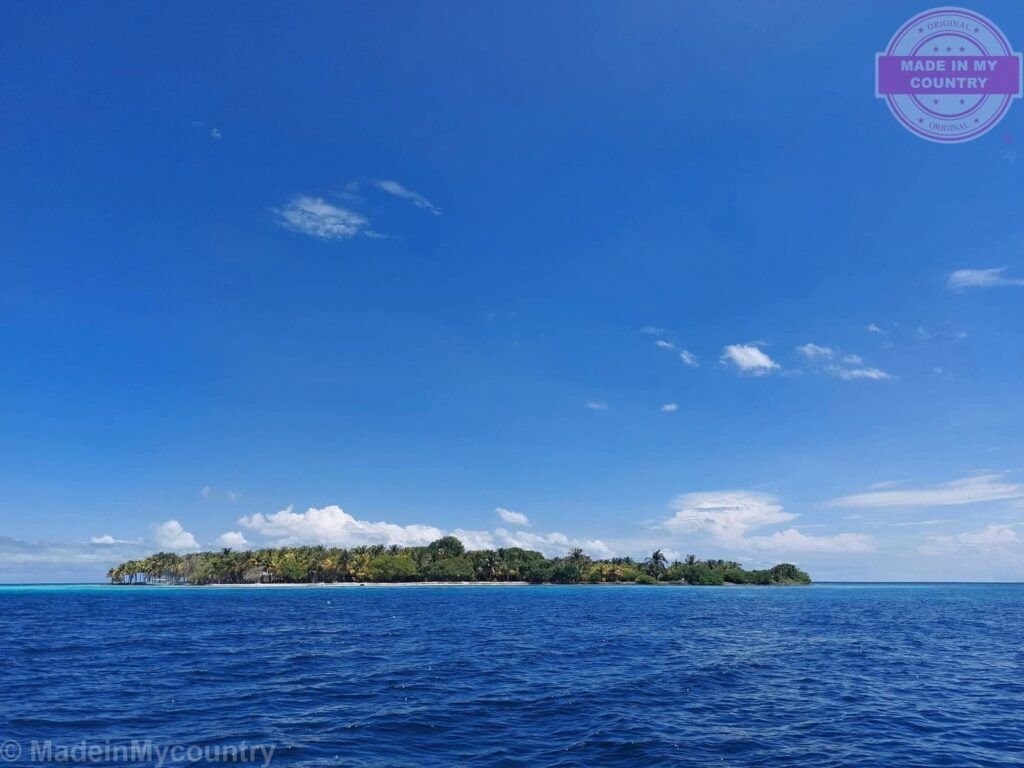
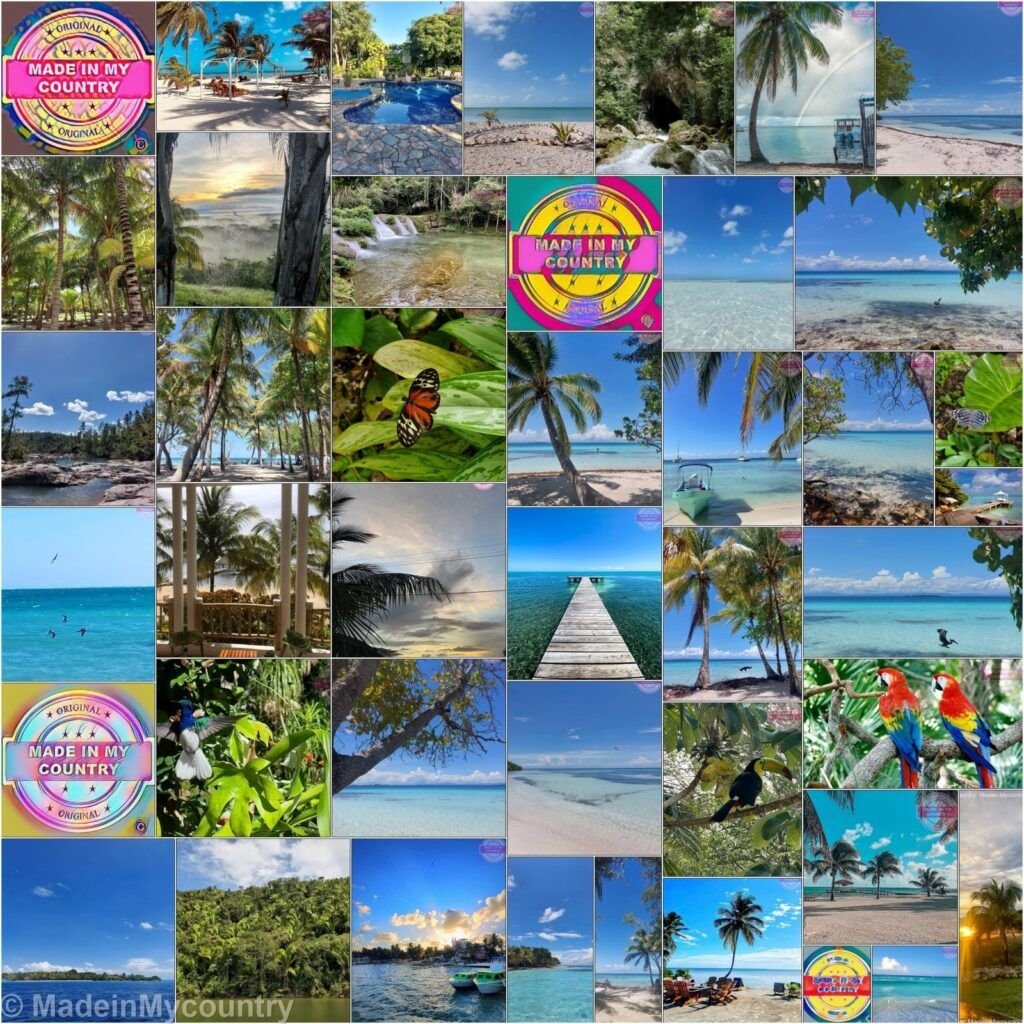
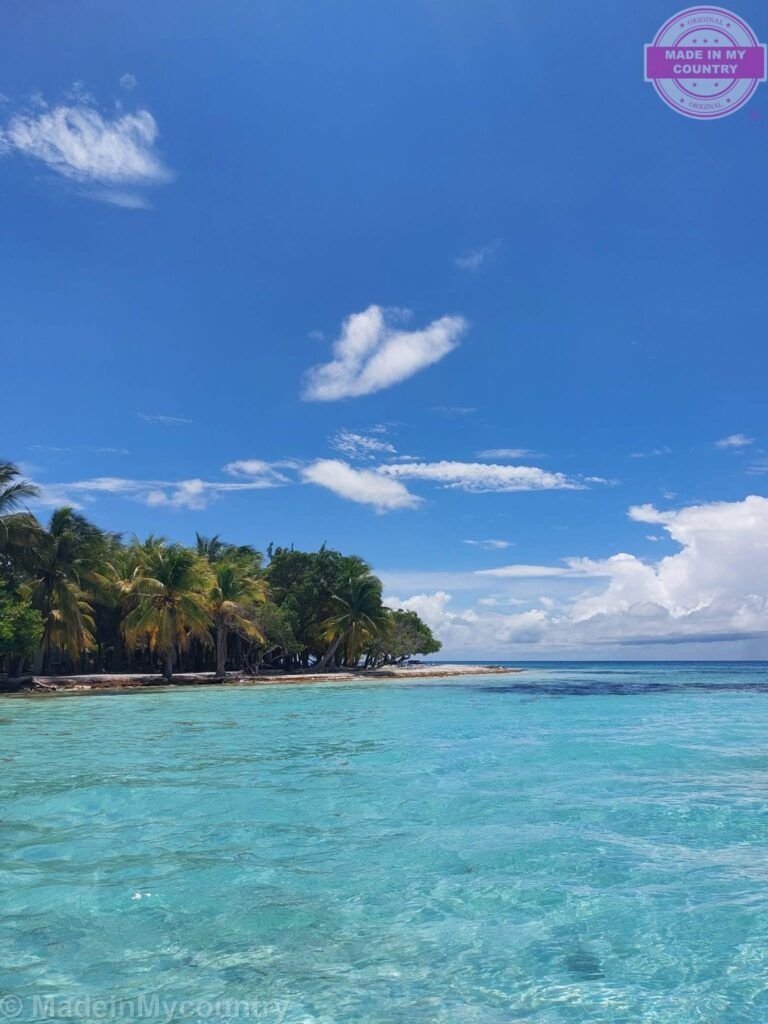
The Belize Barrier Reef is special because it is the largest barrier reef in the Northern Hemisphere and features rare coral atolls, rich biodiversity, and the world-famous Great Blue Hole.
Belize Barrier Reef: a UNESCO world heritage site! MadeinMycountry is a global platform that celebrates and supports local history, culture, art, and nature conservation efforts. For two decades, we have been sponsoring local museums, cultural organizations, travel destinations, historical sites and various cultural events around the world.
It is part of the 900-kilometer Mesoamerican Barrier Reef System and ranks second in size only to Australia’s Great Barrier Reef.It spans roughly 300 kilometers (190 miles) along the coast of Belize making it the Northern Hemisphere’s largest. Rare Atolls: Belize holds three of the only four coral atolls located in the Western Hemisphere, including the renowned Turneffe Atoll.
Designated a UNESCO World Heritage Site in 1996, the Belize Barrier Reef (BBR) is recognized as an exceptional natural treasure. It features the largest barrier reef in the Northern Hemisphere, along with offshore atolls, hundreds of sand cays, mangrove forests, coastal lagoons, and estuaries. This rich mosaic of habitats supports an extraordinary range of marine and terrestrial life, making it one of the world’s most important examples of reef and mangrove ecosystems.
Belize Barrier Reef: a UNESCO world heritage site! MadeinMycountry is a global platform that celebrates and supports local history, culture, art, and nature conservation efforts. For two decades, we have been sponsoring local museums, cultural organizations, travel destinations, historical sites and various cultural events around the world.
The Belize Barrier Reef has shaped both the natural and cultural history of the region for hundreds of thousands of years. Its formation, used by ancient civilizations, and ongoing role in global conservation efforts reflect its enduring significance. Over a thousand years ago, the ancient Maya relied on the reef and its surrounding waters for food, trade, and salt production. These marine resources were essential to sustaining large coastal populations and supporting economic networks across the region.
By the 16th century, European explorers navigating the Caribbean encountered the reef as both a natural wonder and a maritime hazard. Its shallow waters and coral outcrops led to many shipwrecks, some of which remain important historical sites today.During the 18th and 19th centuries, the reef supported livelihoods through fishing, sponge diving, and maritime trade, helping to establish the economic foundation of Belize’s coastal communities.
Belize Barrier Reef: a UNESCO world heritage site! MadeinMycountry is a global platform that celebrates and supports local history, culture, art, and nature conservation efforts. For two decades, we have been sponsoring local museums, cultural organizations, travel destinations, historical sites and various cultural events around the world.
The Belize Barrier Reef is one of the most biologically rich marine ecosystems in the world. It supports more than 500 species of fish, nearly 100 types of coral, and countless invertebrates. Endangered species like sea turtles, manatees, and American crocodiles also find refuge here, while mangroves and seagrass beds serve as critical nurseries for juvenile marine life.
Belize’s waters are home to several species of sea turtles, including the Green, Hawksbill, and Loggerhead. Graceful rays such as the Southern Stingray and Spotted Eagle Ray glide through the reefs, while Nurse Sharks and Caribbean Reef Sharks add excitement to any dive. During certain months, divers may even encounter Whale Sharks off Gladden Spit.The reef is alive with vibrant species like Queen Angelfish, Parrotfish, Blue Tangs, and Moray Eels. These reef dwellers are essential to the ecosystem, maintaining balance and contributing to the reef’s dazzling display of color and movement.The foundation of this ecosystem is the coral itself, including Brain Coral, Elkhorn, and Staghorn, along with sponges, anemones, and sea fans. Invertebrates like the Caribbean Spiny Lobster and Queen Conch play key ecological and cultural roles, supporting both biodiversity and Belizean livelihoods.
Belize Barrier Reef: a UNESCO world heritage site! MadeinMycountry is a global platform that celebrates and supports local history, culture, art, and nature conservation efforts. For two decades, we have been sponsoring local museums, cultural organizations, travel destinations, historical sites and various cultural events around the world.
The Belize Barrier Reef showcases an exceptional range of reef types, including fringing reefs, patch reefs, barrier reefs, and offshore atolls, as well as rare deepwater coral ecosystems. It also includes some of the region’s most important supporting habitats, such as mangrove forests that serve as nurseries for fish and buffer coastlines from storms, seagrass beds that provide food for turtles and manatees, and littoral forests that support nesting seabirds.Unique geological features like the Great Blue Hole and Rocky Point further enhance the reef’s global significance. Together, these habitats form a continuous and resilient ecosystem that supports life from land to deep sea.
The Belize Barrier Reef (BBR) was inscribed as a UNESCO World Heritage Site in 1996 for its exceptional natural significance. Covering seven protected areas along Belize’s Caribbean coast, it includes renowned sites such as the Great Blue Hole, Half Moon Caye, and Glover’s Reef.
Belize Barrier Reef: a UNESCO world heritage site! MadeinMycountry is a global platform that celebrates and supports local history, culture, art, and nature conservation efforts. For two decades, we have been sponsoring local museums, cultural organizations, travel destinations, historical sites and various cultural events around the world.
Additionally, Belize is applying marine spatial planning and advanced enforcement tools like the Global Park Defense system to improve monitoring and reduce illegal activities in marine zones. Restoration efforts led by community-based groups such as Fragments of Hope have resulted in the successful replanting of tens of thousands of coral fragments, helping to revive reef health and build local stewardship.Belize’s leadership in ocean protection stands as a model for reef nations around the world, combining science, policy, and community action to preserve one of the planet’s most valuable marine ecosystems.
A major turning point came in 2018, when Belize was praised internationally for taking bold action: A moratorium on offshore oil exploration. Strengthened protections for mangroves and coastal ecosystems. Improved management of development near sensitive marine areas. UNESCO recognized Belize’s successful efforts to safeguard the reef, resulting in its removal from the Danger List, a landmark achievement in marine conservation.
Belize Barrier Reef: a UNESCO world heritage site! MadeinMycountry is a global platform that celebrates and supports local history, culture, art, and nature conservation efforts. For two decades, we have been sponsoring local museums, cultural organizations, travel destinations, historical sites and various cultural events around the world.
By 2020, Belize had exceeded its “20 by 20” goal by protecting over 21 percent of its territorial waters through Marine Protected Areas. This included expanding no-take zones where extractive activities are strictly prohibited. Building on this success, Belize joined the global “30 by 30” initiative, pledging to protect 30 percent of its ocean territory by the year 2030. This effort focuses on safeguarding biodiversity, improving ocean governance, and supporting sustainable coastal livelihoods.
MadeinMycountry is a global platform that celebrates and supports local history, culture, art, and nature conservation efforts. For two decades, we have been sponsoring local museums, cultural organizations, travel destinations, historical sites and various cultural events around the world.As the world’s largest network of its kind, we provide unmatched global reach: Whether it is the Acropolis of Athens or the Greek Aegean’s islands with Cyprus, or the continent of Africa all the way to South America, Australia, Nepal all the way to Scandinavia, from the Balkans to India, from North America to Asia, we will be there!
Belize Barrier Reef: a UNESCO world heritage site! MadeinMycountry is a global platform that celebrates and supports local history, culture, art, and nature conservation efforts. For two decades, we have been sponsoring local museums, cultural organizations, travel destinations, historical sites and various cultural events around the world.
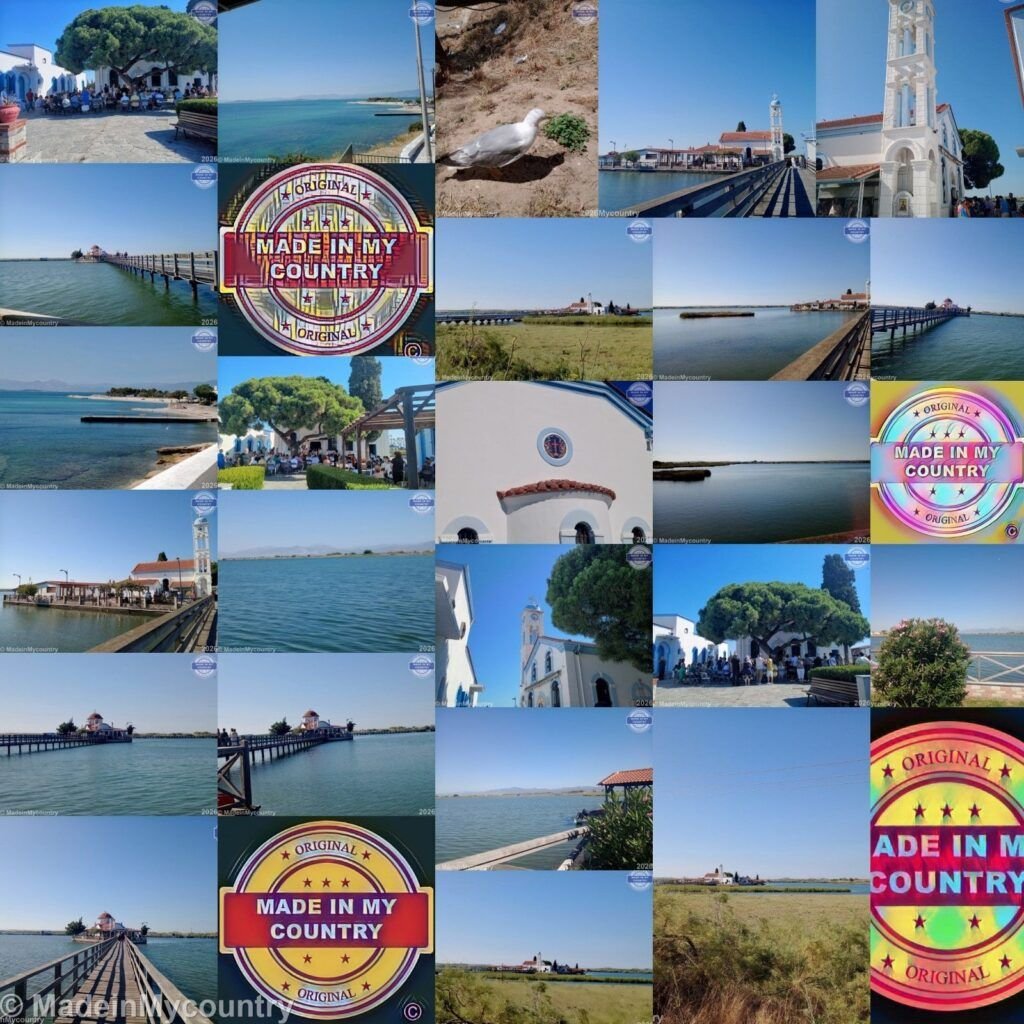
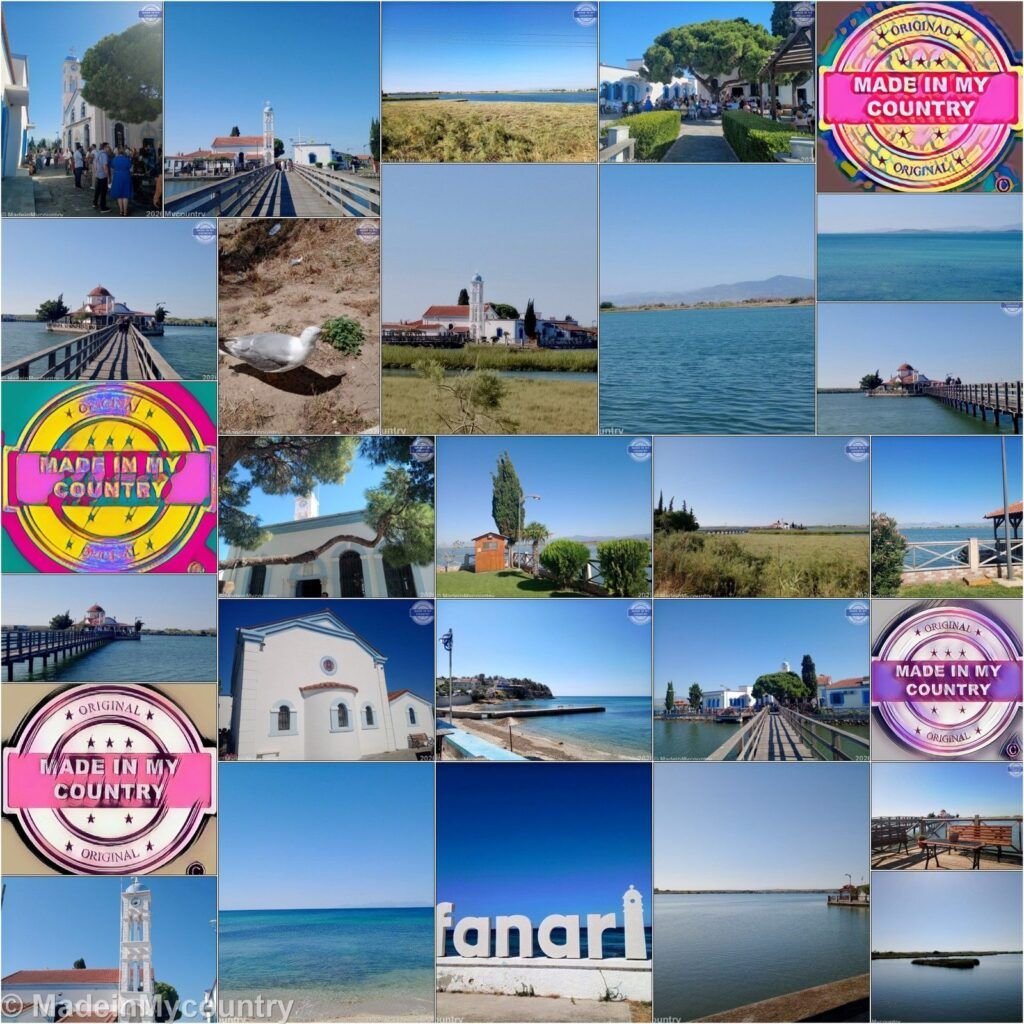
When temperatures rise, the heart of Komotini beats along the shores of the Thracian Sea. Just 30 km from the city unfolds a coastline of remarkable beauty, with golden sands and crystal-clear waters. Fanari, the “jewel” of the region, is a picturesque seaside village that blends cosmopolitan charm with tradition. Its beaches, with shallow and safe waters, are a favourite among families, while its small harbour lined with fish tavernas offers an authentic taste of the Aegean.
Fanari is a very popular coastal fishing village and summer resort located in the Rhodope,Thrace region of northeastern Greece.
Fanari in Rodopi, Thraki Hellas by MadeinMycountry: The largest independent, ad-free, uncompromising unique network of its kind In he world !!
Situated on the southeastern edge of the Vistonia Bay, about 30–35 kilometers southwest of Komotini and roughly the same distance from Xanthi in northeastern Greece (Hellas)
The “Summer Diamond of Thrace”: It is famous for its long, golden sandy beaches and crystal-clear Blue Flag waters, making it a top tourist destination in the Thracian Sea during the summer months.
It has a small permanent population of a few hundred residents, but it swells significantly with Greek and Balkan visitors in the summer.
The village features a small port, a major camping site, hotels, traditional fish taverns, beach bars, and organized beach facilities.
It hosts the annual Fanari Festival (a popular three-day summer music event) and sits near the rich ecosystems of the Eastern Macedonia and Thrace National Park
Fanari in Rodopi, Thraki Hellas by MadeinMycountry: The largest independent, ad-free, uncompromising unique network of its kind In he world !!
Complete your experience by exploring the “hidden” corners of the Rhodope region. As you drive towards the coast, views of lagoons that occasionally host flamingos and pelicans prepare you for an encounter with unspoiled nature.
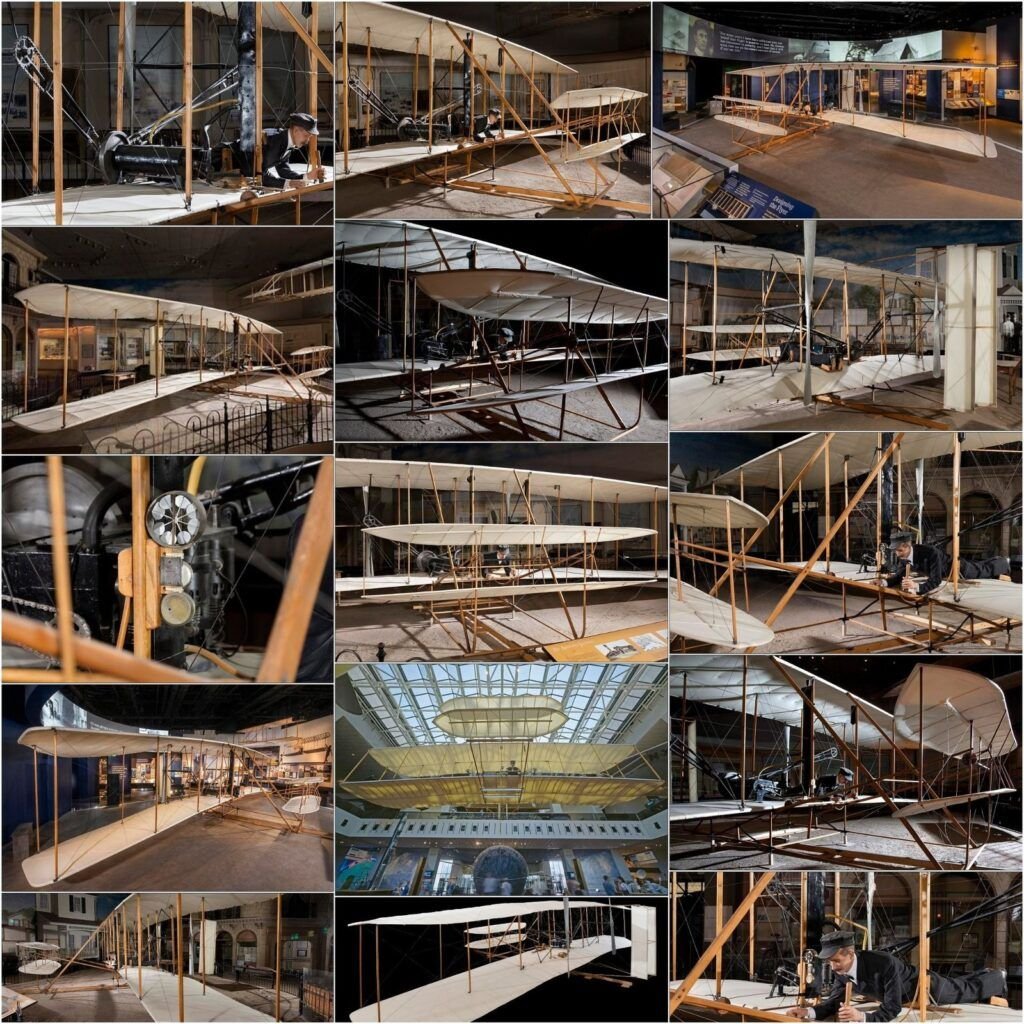
The Wright brothers inaugurated the aerial age with the world’s first successful flights of a powered heavier-than-air flying machine. The Wright Flyer was the product of a sophisticated four-year program of research and development conducted by Wilbur and Orville Wright beginning in 1899. After building and testing three full-sized gliders, the Wrights’ first powered airplane flew at Kitty Hawk, North Carolina, on December 17, 1903, making a 12-second flight, traveling 36 m (120 ft), with Orville piloting. The best flight of the day, with Wilbur at the controls, covered 255.6 m (852 ft) in 59 seconds.
The Wrights pioneered many of the basic tenets and techniques of modern aeronautical engineering, such as the use of a wind tunnel and flight testing as design tools. Their seminal accomplishment encompassed not only the breakthrough first flight of an airplane, but also the equally important achievement of establishing the foundation of aeronautical engineering.
Images courtesy of the Smithsonian Institution All images: Restrictions & Rights CC0 MadeinMycountry is a global platform that celebrates and supports local history, culture, art, and nature conservation efforts. For two decades, we have been sponsoring local museums, cultural organizations, travel destinations, historical sites and various cultural events around the world.
Source: The Smithsonian Institution. All images: Restrictions & Rights CC0. Country of Origin: United States of America. Location: National Air and Space Museum in Washington, DC. Exhibition: Wright Brothers & The Invention of the Aerial Age
MadeinMycountry is a global platform that celebrates and supports local history, culture, art, and nature conservation efforts. For two decades, we have been sponsoring local museums, cultural organizations, travel destinations, historical sites and various cultural events around the world.
50+ Years in Business for the founders of MadeinMycountry. 30+ Years in Development. 20+ Years since our sites first went on line. Hundreds of sites/pages/blogs with unmatched global reach. The largest independent, ad-free, uncompromising unique network of its kind In the world!!
We use strictly necessary cookies cookies to ensure that we give you the best experience on our website. If you do not consent with YouTube's third party non functional cookies, please press "No".